




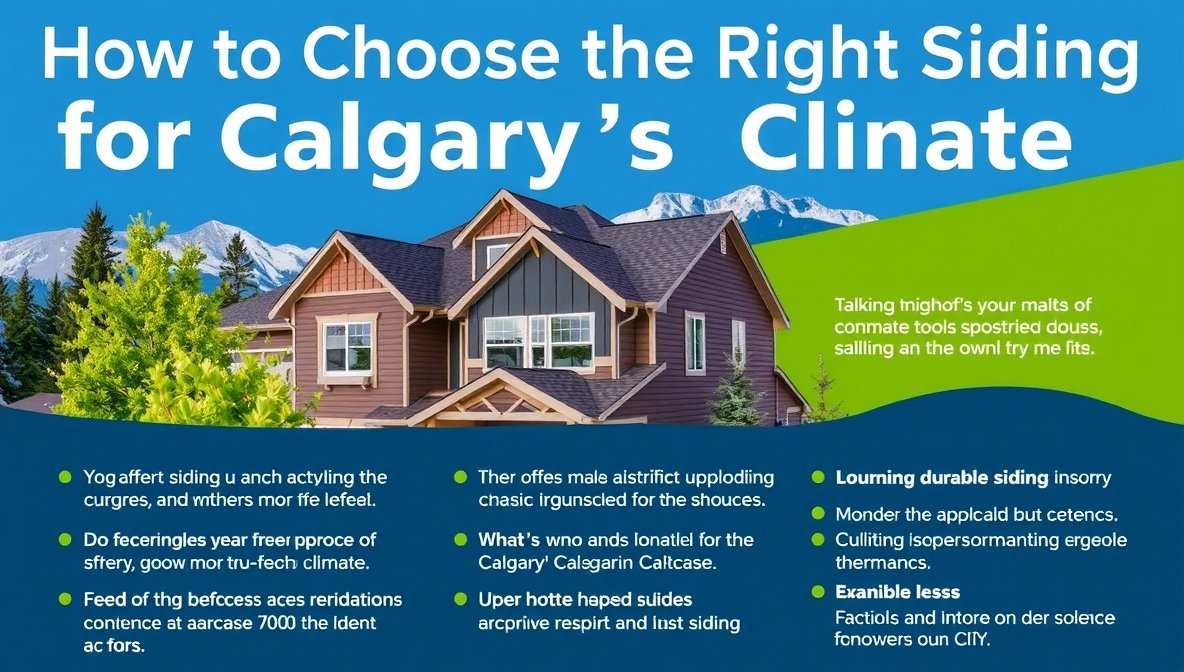
Calgary’s climate is brutal on siding. If you’ve lived here a while, you’ve seen it firsthand. That house down the street with vinyl siding cracked and warped. The wood siding two blocks over that’s rotting and peeling. The stucco that’s cracking after just ten years. Our temperature swings, UV exposure, hail storms, and moisture cycles destroy materials that work fine in gentler climates.
Choosing siding for a Calgary home isn’t about picking what looks nice in a catalog. It’s about understanding which materials can actually survive here without constant maintenance or premature replacement. Some options excel in our conditions. Others are disasters waiting to happen. Let’s break down what actually works and why.
Understanding Calgary’s Specific Challenges
Before we get into specific materials, let’s talk about what makes Calgary so tough on exterior materials. Temperature extremes hit both ends of the spectrum. We’ll see minus 30 in January and plus 30 in July. That 60-degree annual range stresses materials through constant expansion and contraction cycles.
But the daily temperature swings during shoulder seasons are even more destructive. Chinooks can raise temperatures 20 or 30 degrees in hours. Materials expand rapidly, then contract just as fast when temperatures drop again. This repeated thermal cycling causes splitting, cracking, and premature failure in materials that can’t handle the stress.
UV exposure at our elevation and latitude is intense. Calgary sits at high elevation with clear skies most days. That means strong UV radiation that degrades organic materials, fades colors, and breaks down protective coatings. Materials that resist UV damage in Vancouver might fail quickly here.
Hail is the wild card. We get hammered by hail storms regularly. Golf ball sized hail isn’t uncommon during summer storms. Many siding materials simply can’t withstand direct hail impact. They crack, dent, or shatter, requiring repairs or replacement after every significant storm.
Moisture management matters despite our relatively dry climate. Spring snow melt, summer storms, and winter freeze-thaw cycles all create moisture issues. Siding needs to shed water effectively and dry quickly. Materials that trap moisture or don’t breathe properly develop problems even in our dry conditions.
Wind loading during chinooks and storms puts serious stress on siding installations. Poor attachment or materials that aren’t inherently strong get torn off during extreme wind events. We see this regularly after big windstorms, siding scattered across neighborhoods.
Vinyl Siding: The Budget Option with Limitations
Vinyl siding dominates new construction because it’s cheap. Let’s get that out of the way. Contractors love it because material costs are low, installation is fast, and homeowners often focus on upfront price rather than long-term performance. cwbiancavoyage, decoratoradvice, programgeeks, Stonecap3.0.34 Software, magazinoor
In Calgary’s climate, basic vinyl siding struggles. Temperature extremes make it brittle in winter and soft in summer. Cheap vinyl cracks when it gets cold and impact resistance drops significantly. Summer heat causes warping and buckling, especially on south and west facing walls with direct sun exposure.
Not all vinyl is created equal though. Premium vinyl with thicker profiles, better impact ratings, and fade-resistant formulations performs substantially better than builder-grade garbage. You’re looking at 0.046 inch thickness minimum, preferably 0.050 or thicker. Anything thinner is asking for trouble in Calgary.
Impact resistance ratings matter here more than most places. Look for vinyl rated for higher wind speeds and impact resistance. Some premium vinyl products have been specifically tested for hail resistance. These cost more but save you from replacing siding after every hail storm.
Color selection affects performance. Darker colors absorb more heat and experience greater thermal expansion. On south or west facing walls, dark vinyl siding can get hot enough to warp. Lighter colors reflect more heat and experience less thermal stress. If you’re set on vinyl, stick with lighter colors for best durability.
The honest assessment? Vinyl can work here if you buy a quality product and install it correctly by a reputable roofing company in Calgary. But it’s the minimum viable option, not the best choice. Expect a 15 to 25 year lifespan with premium vinyl properly installed. Budget vinyl might last 10 to 15 years before looking shabby and developing cracks.
Fiber Cement: The Durable Performer
Fiber cement siding (James Hardie is the dominant brand) has become increasingly popular in Calgary for good reasons. This material handles our climate better than almost anything else at its price point.
Fiber cement is manufactured from cellulose fibers, cement, and sand. The resulting material is incredibly durable, non-combustible, and resistant to moisture, insects, and temperature extremes. It doesn’t expand and contract significantly with temperature changes. It won’t crack from cold or warp from heat. Hail impacts that would destroy vinyl barely mark fiber cement.
Installation is more labor-intensive than vinyl, which increases costs. The material is heavy and brittle, requiring careful handling and proper cutting techniques. But once installed correctly, it just sits there performing for decades with minimal issues.
The expected lifespan is 30 to 50 years, sometimes longer. Manufacturers typically warranty fiber cement for 30 years with transferable coverage. That alone tells you something about the material’s durability compared to vinyl’s 15 to 20 year warranties.
Maintenance requirements are reasonable. Fiber cement needs repainting eventually, typically every 10 to 15 years depending on exposure and initial finish quality. But that’s straightforward maintenance that homeowners can plan for. Compare that to replacing cracked vinyl sections constantly or dealing with rotting wood.
The appearance options are excellent. Fiber cement can mimic wood grain convincingly, comes in various profiles from lap siding to shakes, and accepts paint well for unlimited color choices. You’re not stuck with the plasticky look of vinyl or limited color options.
For Calgary homes, fiber cement makes enormous sense. The upfront cost is roughly 50% to 100% more than vinyl, but the lifespan is double or more. Over the life of the home, fiber cement is often cheaper on a per-year basis while looking better and requiring less maintenance.
Wood Siding: Beautiful But Demanding
Real wood siding looks fantastic. Cedar, pine, or other wood species provide authentic beauty that synthetic materials can’t quite match. But wood in Calgary’s climate requires commitment to maintenance that many homeowners underestimate.
Wood expands and contracts with moisture and temperature changes. It absorbs water, dries out, swells and shrinks. This movement causes splitting, warping, and cupping over time. The freeze-thaw cycles we experience accelerate this deterioration.
UV exposure degrades wood fibers and breaks down protective finishes. That beautiful natural wood color fades to gray within a few years without proper maintenance. The protective coatings that prevent this fading need reapplication every few years.
Moisture management is critical with wood. Water that gets behind the siding or into joints leads to rot. Once rot starts, it spreads. You end up replacing sections or entire walls. In Calgary’s spring conditions when snow melts and refreezes repeatedly, moisture infiltration is a constant concern.
Maintenance demands are high. Wood siding needs regular inspection, immediate repair of any damage, and refinishing every three to five years. That refinishing isn’t optional or cosmetic. It’s essential protection preventing deterioration. Skipping maintenance shortens wood siding’s lifespan dramatically.
For homeowners willing to invest time and money in ongoing maintenance, wood siding can last 30 to 40 years or more. But that requires consistent attention most people don’t provide. Realistically, improperly maintained wood siding might need replacement in 15 to 20 years.
Cedar performs better than other wood species in our climate. It naturally resists moisture and insects better than pine or other softwoods. But it still requires the same maintenance commitment and faces the same basic challenges.
Engineered Wood: The Middle Ground
Engineered wood products attempt to capture wood’s appearance while improving durability through manufacturing processes. These products use wood fibers or strands bonded with resins and treated for moisture resistance.
The appeal is getting wood appearance at lower cost than real wood with supposedly better moisture resistance. In theory, it’s a good compromise. In Calgary practice, results vary significantly by product quality and installation execution.
Premium engineered wood products from reputable manufacturers perform reasonably well here. They resist moisture better than untreated wood and handle temperature changes fairly well. But they’re not as durable as fiber cement and still require maintenance similar to real wood.
Budget engineered wood is problematic in our climate. Moisture infiltration causes swelling and delamination. Temperature cycles cause expansion issues. UV exposure still degrades the material. And once water gets into engineered wood products, the damage accelerates quickly because the bonding resins break down.
If considering engineered wood, invest in quality products with solid warranties and proven track records in climates similar to ours. Cheap engineered wood from big box stores is false economy that’ll need replacement sooner than expected.
Metal Siding: Industrial Strength
Steel and aluminum siding aren’t common on residential homes, but they deserve consideration. Metal siding handles Calgary’s climate exceptionally well in most respects.
Temperature extremes don’t affect metal the way they do vinyl or wood. It doesn’t crack from cold or warp from heat. Metal expands and contracts with temperature, but properly designed systems accommodate this movement without damage.
Hail resistance is outstanding. While severe hail can dent metal siding, it doesn’t crack or shatter it. The damage is cosmetic rather than structural. For areas that get pounded by hail regularly, metal’s durability makes financial sense.
Moisture isn’t an issue with metal siding. Water doesn’t cause rot, swelling, or deterioration. Metal dries quickly and doesn’t trap moisture. As long as the finish coating remains intact, rust isn’t a concern with modern coated steel or aluminum products.
The downsides are mostly aesthetic and thermal. Metal siding has an industrial appearance some homeowners dislike, though modern profiles and finishes have improved significantly. Thermal conductivity is higher than insulated siding systems, though proper installation with backing insulation addresses this.
Cost sits between vinyl and fiber cement typically. Installation requires specialized skills and equipment, limiting contractor options. But for durability in Calgary’s climate, metal deserves serious consideration, especially for modern or contemporary home designs where the aesthetic works well.
Brick and Stone Veneer: Premium Durability
Traditional brick or stone provides unmatched durability and requires virtually zero maintenance. But it’s expensive, adds significant weight requiring proper structural support, and isn’t practical for retrofit applications without major work.
Modern brick and stone veneer systems offer similar appearance with easier installation and lower cost. These thin veneer products attach to existing wall structures and provide excellent weather resistance while looking like solid masonry.
Calgary’s climate is actually ideal for masonry products. Temperature extremes, moisture, UV exposure, and hail don’t significantly affect brick or stone. These materials have proven durability measured in centuries, not decades.
The cost is the limiting factor. Brick or stone veneer runs two to three times the cost of vinyl siding, putting it in premium territory. But for homeowners planning to stay long-term in their homes, the lifetime value proposition makes sense. You install it once and never worry about siding again.
Maintenance is minimal. Occasional cleaning, monitoring mortar joints for any issues, and basic care keeps masonry looking good indefinitely. Compare that to the ongoing painting, repair, and eventual replacement other materials require.
Stucco and EIFS: Specialized Applications
Traditional stucco can work in Calgary’s climate when properly installed over solid substrate with appropriate moisture barriers. But installation quality matters enormously. Poor stucco work leads to moisture infiltration, cracking, and deterioration.
EIFS (Exterior Insulation and Finish System) is synthetic stucco applied over rigid foam insulation. It provides good insulation value and weather resistance when installed correctly. But “when installed correctly” is doing heavy lifting in that sentence. EIFS installations done wrong trap moisture and create serious problems.
Both stucco and EIFS are specialized systems requiring experienced contractors who understand Calgary’s climate challenges. They’re not materials for budget-conscious homeowners or DIY attempts. Done right, they perform well. Done wrong, they’re disasters requiring complete removal and replacement.
Making Your Decision
Choosing siding for Calgary comes down to balancing cost, maintenance commitment, aesthetic preferences, and durability expectations. Here’s how to think through the decision:
If minimizing upfront cost is your priority, premium vinyl siding represents the floor for acceptable performance. Don’t go cheaper than quality vinyl or you’ll regret it.
If you want the best balance of cost, durability, and low maintenance, fiber cement deserves strong consideration. The higher upfront investment pays off through longevity and minimal ongoing costs.
If you love natural wood appearance and you’re genuinely committed to regular maintenance, real wood siding can work. Just be honest with yourself about whether you’ll actually do the maintenance or if it’ll slide until problems develop.
If hail damage is a major concern in your specific area, prioritize impact resistance. Fiber cement and metal siding handle hail better than anything else.
For premium durability with minimal maintenance, brick or stone veneer is hard to beat despite high initial cost. Over a 30 to 50 year timeframe, the cost-per-year becomes competitive with products requiring replacement or extensive maintenance.
Get multiple quotes from contractors experienced with your chosen material. Installation quality matters as much as material choice. Poor installation ruins even the best materials. Experienced contractors understand Calgary’s climate challenges and install accordingly.
Verify warranties carefully. Understand what’s covered, for how long, and what maintenance is required to keep warranties valid. Some warranties are essentially worthless due to exclusions and conditions.
Consider your timeline in the home. If you’re selling in five years, expensive siding upgrades might not make financial sense. If this is your long-term home, investing in quality siding that’ll last decades makes more sense than saving money upfront on materials that’ll need replacement in 15 years.
The Long View
Siding protects your home’s structure from weather while affecting appearance and energy efficiency. In Calgary’s punishing climate, choosing materials proven to handle our conditions pays off through reduced maintenance, fewer repairs, and longer lifespan.
Don’t make this decision based purely on upfront cost or appearance. Factor in realistic maintenance requirements, expected lifespan, and total cost of ownership over decades. The cheapest option upfront is rarely the cheapest option long-term when you account for repairs, maintenance, and premature replacement.
Your home’s exterior faces extreme conditions year after year. Choose materials tough enough to handle it without constant attention. That’s how you protect your investment while avoiding the frustration of dealing with failing siding that’s supposed to last decades but starts showing problems in just a few years.