





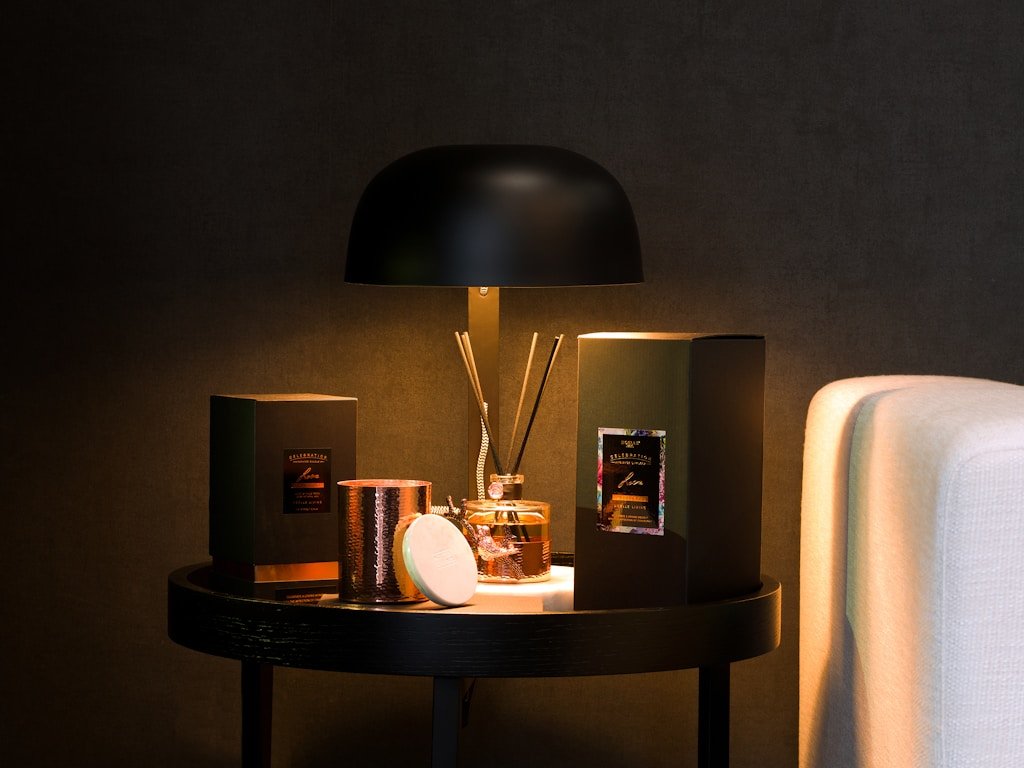
A gaming room is no longer just a desk, a monitor, and a chair pushed against the wall. For many people, it is a carefully curated space that reflects personality, passion, and creativity. It is where competition, storytelling, and technology meet. In such an environment, lighting becomes far more than a practical necessity — it shapes mood, enhances immersion, and gives the room its distinctive character.
Modern gaming spaces often blend sleek minimalism with futuristic accents. Clean lines, RGB components, metal finishes, and textured walls create a layered environment. The wrong lamp can disrupt this balance instantly. A random ceiling fixture with harsh white light may flatten the space and eliminate depth. On the other hand, thoughtfully selected designer lighting can transform an ordinary setup into a visually striking command center.
Lighting determines how the room feels at midnight during an intense match, how it looks in photos, and how comfortable your eyes remain after hours in front of a screen. It influences both performance and aesthetics.
Layered Lighting – The Foundation of a Well-Designed Gaming Environment
A successful gaming room rarely relies on a single light source. Instead, it uses layers. This approach adds dimension and prevents visual fatigue.
There are three main lighting categories worth considering:
- Ambient lighting – the general glow that fills the room
- Task lighting – focused illumination for desk activities
- Accent lighting – decorative elements that create atmosphere
Ambient lighting can come from ceiling-mounted fixtures or floor lamps that diffuse light upward. Task lighting usually involves adjustable desk lamps positioned to avoid screen glare. Accent lighting includes LED strips, wall-mounted designer lamps, or illuminated shelves.
The goal is balance. Too much brightness removes the cinematic feel. Too little creates eye strain. The right combination produces depth and comfort at the same time.
Designer Desk Lamps – Where Function Meets Visual Identity
A desk lamp in a gaming room should not look like standard office equipment unless minimalism is your aesthetic choice. Modern designer lamps offer bold shapes, matte black finishes, brushed metal details, and geometric silhouettes that complement gaming hardware.
When choosing a desk lamp, consider:
- Adjustable angle and height
- Dimmable brightness
- Stable base
- Integrated LED technology
- Minimal glare
Slim, articulated arms allow precise control of light direction. Some models feature hidden LED panels that emit soft, evenly distributed light rather than harsh beams. This prevents reflections on the monitor.
Exploring curated lighting collections — for example, browsing modern fixtures available at stores like zFabryki — can help identify lamps that match the sleek, tech-inspired aesthetic common in gaming interiors.
A well-designed desk lamp should visually integrate with mechanical keyboards, dual-monitor setups, and metallic PC cases rather than competing with them.
RGB and Smart Lighting – Controlled Drama Instead of Chaos
RGB lighting is practically a signature of gaming culture. However, there is a difference between intentional design and uncontrolled color overload. Designer lighting solutions often incorporate subtle RGB accents without overwhelming the space.
Key principles for effective RGB use:
- Use static tones during competitive sessions
- Avoid high-intensity color cycling
- Combine RGB accents with neutral base lighting
- Keep brightness at a moderate level
Deep blue or soft violet tones create a futuristic feel. Warm amber can make the room feel cozier during late-night sessions. Red lighting adds intensity but should be used sparingly to avoid eye fatigue.
Smart lighting systems allow you to switch scenes instantly. One setting might prioritize performance with neutral white task lighting and soft background glow. Another could emphasize immersion with low ambient light and colored accents.
Floor Lamps and Indirect Lighting for Depth and Comfort
Floor lamps are often overlooked in gaming spaces, yet they provide valuable indirect illumination. Positioned in a corner or behind the gaming chair, they bounce light off walls and ceilings, reducing contrast between the bright monitor and dark surroundings.
Indirect light softens shadows and enhances spatial depth. Tall, minimalist floor lamps with diffused shades work particularly well in rooms with industrial or modern décor. For more dramatic setups, arc lamps extending over seating areas create a striking visual statement.
Indirect lighting also improves comfort during long sessions. It reduces the strain caused by sharp brightness differences between the screen and the rest of the room.
Wall-Mounted Designer Lamps as Statement Pieces
Wall lighting can turn a plain gaming room into a distinctive environment. Linear LED wall bars, geometric sconces, or asymmetrical light panels create a futuristic atmosphere.
Instead of traditional wall lamps, consider sculptural fixtures that resemble abstract art. Mounted behind the desk or along a feature wall, they become part of the room’s identity.
Benefits of wall-mounted lighting include:
- Saving desk and floor space
- Adding vertical dimension
- Highlighting textured walls or acoustic panels
In smaller gaming rooms, vertical lighting solutions prevent clutter and maintain a clean layout.
Choosing the Right Color Temperature for Gaming Performance
Color temperature influences both mood and concentration. Neutral white light (around 4000K) supports alertness during competitive gaming. Warmer tones (2700K–3000K) create a relaxed atmosphere for story-driven titles or casual sessions.
Here is a comparison for gaming environments:
| Temperature | Best For | Visual Effect |
|---|---|---|
| 2700K | Relaxed gaming | Cozy and soft |
| 3000K–3500K | Mixed sessions | Balanced |
| 4000K | Competitive play | Crisp and focused |
| 5000K+ | Short intense matches | Highly stimulating |
Many modern designer lamps include adjustable temperature settings, allowing you to tailor lighting to your mood and time of day.
Integrating Lighting with Overall Room Design
A cohesive gaming room requires consistency. If the setup features black and metallic finishes, choose lamps in matte black, gunmetal, or chrome. For a more vibrant aesthetic with RGB elements, select neutral lamp designs that allow colored lighting to stand out.
Minimalist gamers may prefer sleek linear fixtures and concealed LED strips. Those drawn to bold designs might opt for oversized pendants or angular floor lamps.
Lighting should complement:
- Desk design
- Wall color
- Furniture finishes
- Hardware lighting
Avoid mixing too many styles. A cohesive theme enhances visual impact and prevents the room from feeling chaotic.
Practical Considerations: Durability and Energy Efficiency
Gaming sessions can last hours. Lamps must be durable and energy-efficient. LED technology dominates modern lighting for good reason:
- Low power consumption
- Long lifespan
- Minimal heat emission
- Stable brightness
Heat management is particularly important in compact rooms where gaming PCs already generate warmth. LED lamps produce significantly less heat than traditional bulbs.
Durability matters as well. Adjustable arms should move smoothly without loosening over time. Bases must remain stable, especially in rooms with dynamic activity.
Creating a Space That Enhances Both Performance and Enjoyment
A gaming room should feel immersive, comfortable, and visually engaging. Modern designer lamps help achieve that balance. They provide functional illumination while reinforcing the room’s character.
When lighting is chosen thoughtfully, it:
- Reduces eye strain
- Improves focus
- Enhances atmosphere
- Elevates visual appeal
The right lamp does not simply brighten a room — it defines it. In a well-designed gaming space, lighting becomes part of the experience, subtly shaping every match, every storyline, and every late-night session.