





The world of comedy has been shaped by many eccentric and innovative personalities, but few stand out quite like Andy Kaufman. His unique brand of performance art blurred the lines between reality and fiction, leaving audiences both baffled and amused. When the news broke in 1984 that he died, it was met with disbelief—not just because he was so young, but because many fans thought it was just another one of his elaborate pranks. The phrase “Andy Kaufman died” became not only a headline but a question mark—a mystery that still captivates fans decades later.
In this 4000-word exploration, we’ll look into how Andy Kaufman died, the reactions it generated, and the legacy he left behind. We’ll also examine the theories that continue to fuel speculation, keeping his memory alive in ways no one could have anticipated.
Who Was Andy Kaufman?
Before diving into the controversy and emotions that erupted when Andy Kaufman died, it’s important to understand who he was. Born on January 17, 1949, in New York, Kaufman grew up with a love for entertaining. He was not a traditional stand-up comic. Instead of telling jokes, he preferred performance pieces that often left audiences confused about whether they were part of the act.
He became widely known for his role as Latka Gravas on the hit sitcom Taxi and gained notoriety for his offbeat characters, such as the brash lounge singer Tony Clifton. These personas weren’t just roles; Kaufman lived them, often in public, refusing to drop the act. This dedication to performance made him both loved and misunderstood.
The Day of Died
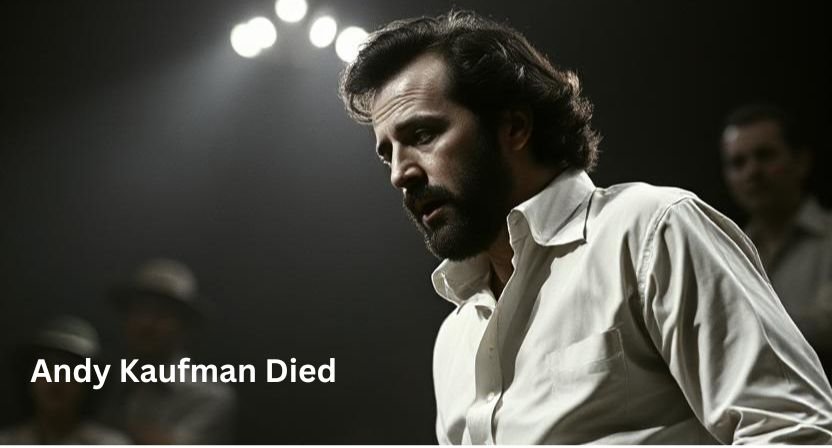
On May 16, 1984, news broke that Andy Kaufman died of lung cancer at Cedars-Sinai Medical Center in Los Angeles. He was only 35 years old. The announcement shocked the entertainment world—not just because of his age or the diagnosis (Kaufman was a lifelong non-smoker), but because many people believed it could be a hoax.
Kaufman had a reputation for blurring reality and fiction. A year before his death, he had joked about faking his own demise. So when the public heard that he died, skepticism spread rapidly. Many believed he was pulling off his greatest stunt ever.
Despite reports from close friends, family, and even a death certificate, some fans couldn’t be convinced. The irony is that Kaufman himself would have probably loved this confusion. TSOC
How Did Andy Kaufman Die?
To answer the question seriously: Andy Kaufman died of an extremely rare form of lung cancer called large-cell carcinoma. What makes his case so peculiar is that he was not a smoker, and the cancer had already spread to his brain by the time it was discovered.
Kaufman reportedly first experienced symptoms in 1983, during a trip to the Philippines. He then sought alternative treatments, including a controversial psychic surgery procedure. Ultimately, traditional medicine could not halt the cancer’s progression.
Although many doubted it at the time, autopsy reports and medical documentation confirm that he died due to complications arising from the illness. andy kaufman snl
The Public Reaction
When Kaufman died, the entertainment industry reacted with a mix of grief and bewilderment. Fellow comedians like Robin Williams and Jim Carrey, who later portrayed Kaufman in the 1999 biopic Man on the Moon, expressed deep admiration for his genius.
However, the fanbase remained divided. Because of Kaufman’s history of outrageous hoaxes—including staged fights on live television—many people refused to accept that the news was genuine.
Magazines and newspapers ran obituaries, tributes aired on television, and yet there was still a lingering sense of disbelief. Even close friends like Bob Zmuda, Kaufman’s writing partner, added to the confusion by suggesting he might have faked his death.
Conspiracy Theories: Did Andy Kaufman Really Die?
The idea that Kaufman died in 1984 has never been universally accepted. In fact, it spawned one of the most persistent conspiracy theories in entertainment history.
The theory posits that Kaufman tired of fame or eager to complete the ultimate performance art piece, faked his death and disappeared. This theory was fueled by several factors:
· Kaufman had reportedly spoken about faking his death years prior.
· His friend Bob Zmuda claimed in later interviews that Andy had planned to disappear for 30 years.
· A woman came forward in the early 2000s claiming to be Kaufman’s daughter—born after his supposed death.
Each of these elements reignited public curiosity and skepticism. For some, believing that Kaufman died was simply harder than believing he had pulled off the most ambitious hoax of his life.
Jim Carrey and the Rebirth of Andy Kaufman’s Legacy
When Jim Carrey took on the role of Kaufman in Man on the Moon, it introduced a new generation to Kaufman’s work. The performance was widely praised, and Carrey even claimed that he “became” Kaufman during filming.
Years later, in the Netflix documentary Jim & Andy: The Great Beyond, Carrey’s immersion into Kaufman’s persona was showcased in detail. The documentary revived interest in the question of how Andy Kaufman died.
Carrey himself speculated that Kaufman could still be alive, fueling more theories. Whether true or not, this media attention brought Kaufman’s work back into the cultural spotlight, reinforcing the idea that Kaufman died, but his legacy lives on in full force.
How Andy Kaufman Changed Comedy?
When people reflect on how Andy Kaufman died, they often link it back to what he represented in the world of comedy. He was ahead of his time, performing in ways that modern comedians are only now beginning to emulate.
He wasn’t concerned with laughs as much as he was with reactions—confusion, discomfort, astonishment. He once read The Great Gatsby aloud in its entirety to an audience, just to test their patience. He once lip-synced to a Mighty Mouse record in total silence, just moving his lips for one line: “Here I come to save the day!”
That act, performed on Saturday Night Live, became iconic. Kaufman changed the expectations of comedy. It didn’t need to follow rules. It didn’t even need to be understood.
Family and Friends: The Inner Circle’s Perspective
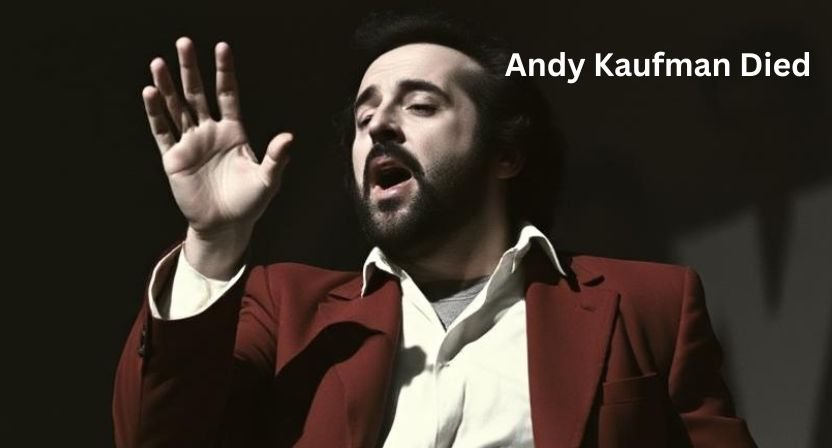
After died, his family and closest friends were left to deal with public doubt and conspiracy theories. His father, Stanley Kaufman, confirmed his son’s death to the press. He was visibly hurt by the constant speculation.
Bob Zmuda and Lynne Margulies, Kaufman’s longtime partner, released personal accounts, memoirs, and even documentaries. Zmuda, however, contradicted himself over time—sometimes suggesting Kaufman was alive, other times confirming his death.
Margulies consistently maintained that Andy Kaufman died, and she was with him until the end. Her book, Dear Andy Kaufman, I Hate Your Guts!, provides an intimate look at the man behind the performance. It helps humanize someone who had become a myth.
The Enduring Myth of Died
Few celebrity deaths carry the long-term intrigue that surrounds how Andy Kaufman died. Even decades later, fan forums, YouTube videos, and documentaries continue to debate it.
Search engines still show “Is Andy Kaufman alive?” among top results associated with his name. Why does this theory persist? Perhaps it’s because Kaufman conditioned his audience to never trust what they saw.
He pushed performance to the edge of believability, and in doing so, created a persona that couldn’t easily be killed off—not even by death itself. So even though the records say Kaufman died, part of the world isn’t ready to let go.
Cultural Impact and Continuing Influence
Andy Kaufman’s influence extends far beyond comedy clubs and sitcoms. He changed how performance art is understood. Modern comedians like Sacha Baron Cohen, Eric André, and Nathan Fielder owe a great deal to Kaufman’s groundwork.
Each of them has blurred the line between reality and comedy, but none with quite the mystique that surrounds Kaufman. His legacy thrives in documentaries, biopics, and the stories told by those who knew him.
Even if you believe that Andy Kaufman died in 1984, his art continues to live—each new generation discovering his genius anew.
Conclusion: Accepting That Died—or Not
So, did Andy Kaufman really die in 1984? According to the death certificate, autopsy, hospital reports, and his grieving family and friends—the answer is yes. Andy Kaufman died from a rare form of lung cancer that tragically cut his brilliant life short at just 35 years old.
But the essence of Kaufman—the prankster, the rebel, the innovator—makes it almost poetic that people still question his death. It speaks volumes about the man who created art so powerful, people refuse to believe he’s gone.
Whether you accept that Andy Kaufman died or believe he’s somewhere watching the confusion unfold, one truth remains: Andy Kaufman redefined what it meant to be a performer. His death may have been real, but so was his impact—and that’s something no conspiracy can change.