





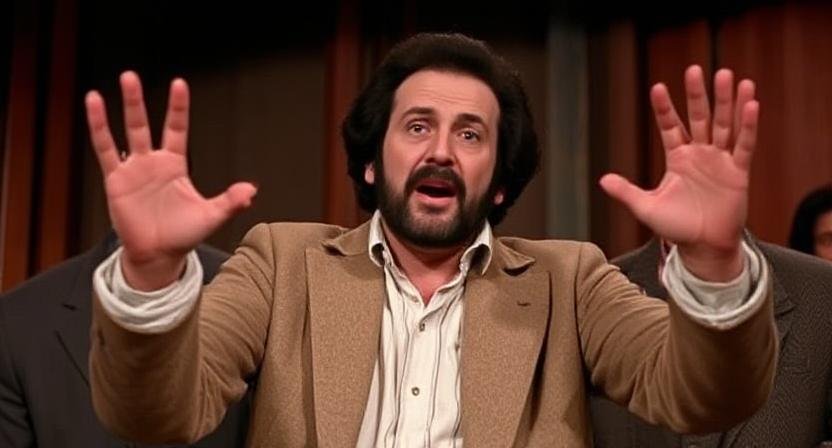
Andy Kaufman remains one of the most enigmatic, unconventional, and influential figures in the world of entertainment. His legacy spans an unforgettable mix of comedy, performance art, and avant-garde showmanship that challenged traditional norms and redefined the boundaries between performer and persona. Though his life was tragically cut short at the age of 35, Kaufman’s impact endures through his performances and characters, many of which live on in the realm of film and television. This article explores the life and artistry of Kaufman, focusing on his appearances, influence, and cultural footprint, particularly in the realm of Andy Kaufman movies and tv shows.
Early Life and Comedic Evolution
Born in New York in 1949, Andy Kaufman showed an early interest in performance. He began performing for friends and family at an early age, often putting on one-man shows that blended comedy, storytelling, and music. Rather than following the typical trajectory of a stand-up comedian, Kaufman developed a unique performance style that blurred the line between reality and fiction.
From performing children’s stories on stage to impersonating Elvis Presley, Kaufman did not consider himself a comedian. He once said, “I am not a comic; I have never told a joke.” Instead, he saw himself as a performance artist whose aim was to provoke thought, reaction, and even confusion in his audience.
Breakthrough on Television
Kaufman’s big break came in the 1970s when he started making appearances on television variety shows. He was most widely recognized for his role as Latka Gravas on the popular sitcom Taxi, which aired from 1978 to 1983. Latka, an eccentric, foreign-born mechanic with a unique voice and mannerisms, became a beloved character and introduced Kaufman’s unpredictable genius to millions of viewers.
What made Taxi particularly significant was the contrast between Kaufman’s real-life persona and the character he portrayed. While Latka was endearing and lovable, Kaufman remained known for unpredictable stunts and sometimes abrasive performances outside the show. For fans looking into Andy Kaufman movies and tv shows, Taxi remains a cornerstone.
The Art of the Alter Ego
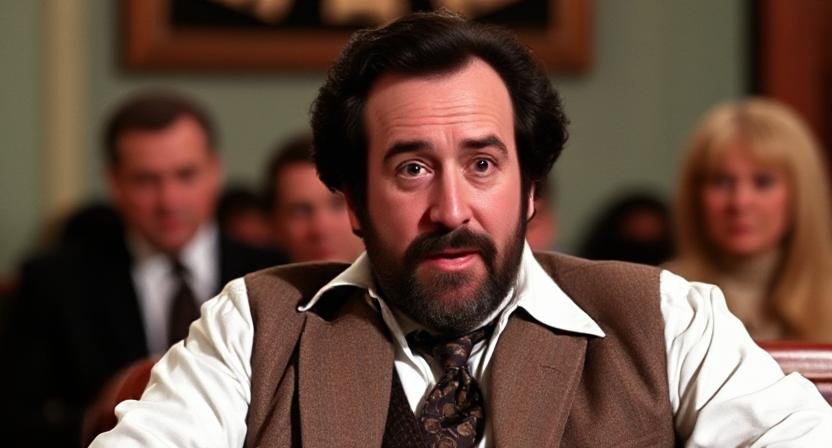
One of Kaufman’s most notorious creations was Tony Clifton, a loud, brash, and offensive lounge singer who would insult audiences and refuse to leave the stage. Clifton was so different from Kaufman that many believed he was a real person. Sometimes, Kaufman would have his friend and writing partner Bob Zmuda portray Clifton to add to the confusion. This character became a key part of Kaufman’s legacy and is often mentioned when discussing the surreal elements of Andy Kaufman movies and tv shows.
Kaufman’s commitment to character was absolute. He would often appear in public in full character, never breaking role, even in interviews or press events. This unwavering dedication to performance art made Kaufman both fascinating and controversial. in touch letsbuildup org
Appearances and Sketches
Beyond Taxi, Kaufman made several iconic appearances on television shows, including Saturday Night Live. His first appearance on SNL in 1975 involved lip-syncing to the Mighty Mouse theme song—a simple yet surreal bit that became one of the show’s most memorable moments.
In later appearances, Kaufman would read The Great Gatsby aloud in its entirety or challenge female members of the audience to wrestling matches. These skits were not just comedic performances—they were experiments in audience engagement, pushing the boundaries of what entertainment could be. Discussions around Andy Kaufman movies and tv shows often point to these televised performances as examples of his unique style.
Foray Into Film
While primarily known for television, Kaufman also ventured into film. One of his most notable movie roles was in the 1980 film Heartbeeps, a romantic science-fiction comedy where he played a robot. Though the movie was a critical and commercial failure, it remains a part of the broader conversation about Andy Kaufman movies and tv shows. His performance in Heartbeeps was consistent with his commitment to unusual roles and unconventional material.
Another significant contribution came posthumously. Jim Carrey portrayed Kaufman in the 1999 biopic Man on the Moon, a film directed by Miloš Forman. The movie delves into Kaufman’s life, work, and mysterious death. Carrey’s performance received wide acclaim and brought renewed interest to Kaufman’s career, making the film a vital reference point for anyone exploring Andy Kaufman movies and tv shows.
The Controversy and Mystique
Kaufman was known for pushing boundaries, which sometimes led to controversy. His “intergender wrestling champion” phase, where he would wrestle women and claim superiority over them, sparked public outrage but was later revealed to be another elaborate performance.
His methods often left audiences questioning what was real and what was not. This blurring of fiction and reality became a hallmark of his work and is often cited in academic discussions about performance theory. Fans and scholars alike continue to analyze Andy Kaufman movies and tv shows for deeper meaning, searching for the layers beneath each act. andy kaufman died
Death and Conspiracy
In 1984, Andy Kaufman died of lung cancer, despite being a non-smoker. His death shocked fans and led to numerous conspiracy theories. Many people believed—and some still believe—that his death was an elaborate hoax, another one of his intricate performances.
Over the years, various “sightings” and theories have emerged, suggesting Kaufman faked his death and assumed a new identity. These theories have only added to the fascination with his life and the mystery surrounding him. The ongoing intrigue has kept interest alive in Andy Kaufman movies and tv shows decades after his passing.
Influence on Comedy and Culture
Kaufman’s influence can be seen in the work of numerous modern comedians and performers. From Sacha Baron Cohen to Eric Andre, many have adopted Kaufman’s strategy of immersive characters and confrontation with audience expectations. His work challenged performers to think beyond traditional comedic structures and use the platform for social commentary, absurdity, or even chaos.
When one revisits Andy Kaufman movies and tv shows, it becomes clear that he was not ahead of his time—he was entirely outside of time. His performances defy categorization, standing as singular experiences rather than part of a broader genre.
The Enduring Appeal
In a time where digital media makes it easier than ever to replay and analyze old footage, Kaufman’s legacy has found a new generation of admirers. YouTube compilations, documentaries, and retrospectives have brought his work to viewers who never saw him live. For many, the most accessible way to understand his genius is by diving into Andy Kaufman movies and tv shows.
One of the most fascinating things about Kaufman is how modern his work still feels. In a world saturated with ironic humor and blurred realities in social media, Kaufman’s commitment to confusion and chaos seems more relevant than ever.
Final Thoughts
Andy Kaufman was not just a comedian or an actor—he was an artistic provocateur who used mainstream platforms to disrupt expectations and make people question reality. His legacy, encapsulated in the rich tapestry of Andy Kaufman movies and tv shows, serves as a testament to what entertainment can be when it’s fearless, strange, and completely original.
Even decades after his death, Kaufman continues to captivate, confuse, and inspire. Whether through a sitcom character, a baffling performance, or a mysterious alter ego, his voice resonates in every unexpected twist and moment of silence. Exploring Andy Kaufman movies and tv shows is more than a nostalgic journey—it’s an invitation to rediscover the limitless potential of performance art.